

Person Centred Care Like No Other
Jeonsa (Chill n Breathe Pty Ltd) is an NDIS registered provider servicing the Hawkesbury, Hills and Western Sydney.
At Jeonsa, we focus on person-centred care that feels genuinely individual. We support people with a wide range of disabilities (including participants with high complex needs) through carefully matched workers assisting with daily living and personal care, meaningful routines and internal programs: –
-
Adaptive Taekwondo
-
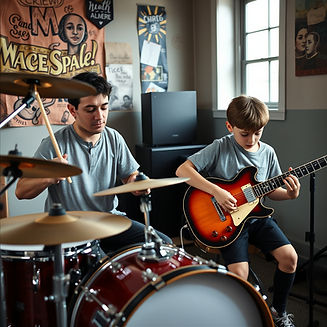
Music Skills
-
Dance
-
Community Life Skills
-
Our Saturday Social club
All designed to enhance everyday life, not just fill the week.
We co-design support with participants, families and clinicians so it is safe, realistic and enriching – always within NDIS guidelines and Australian Consumer Law.



Services
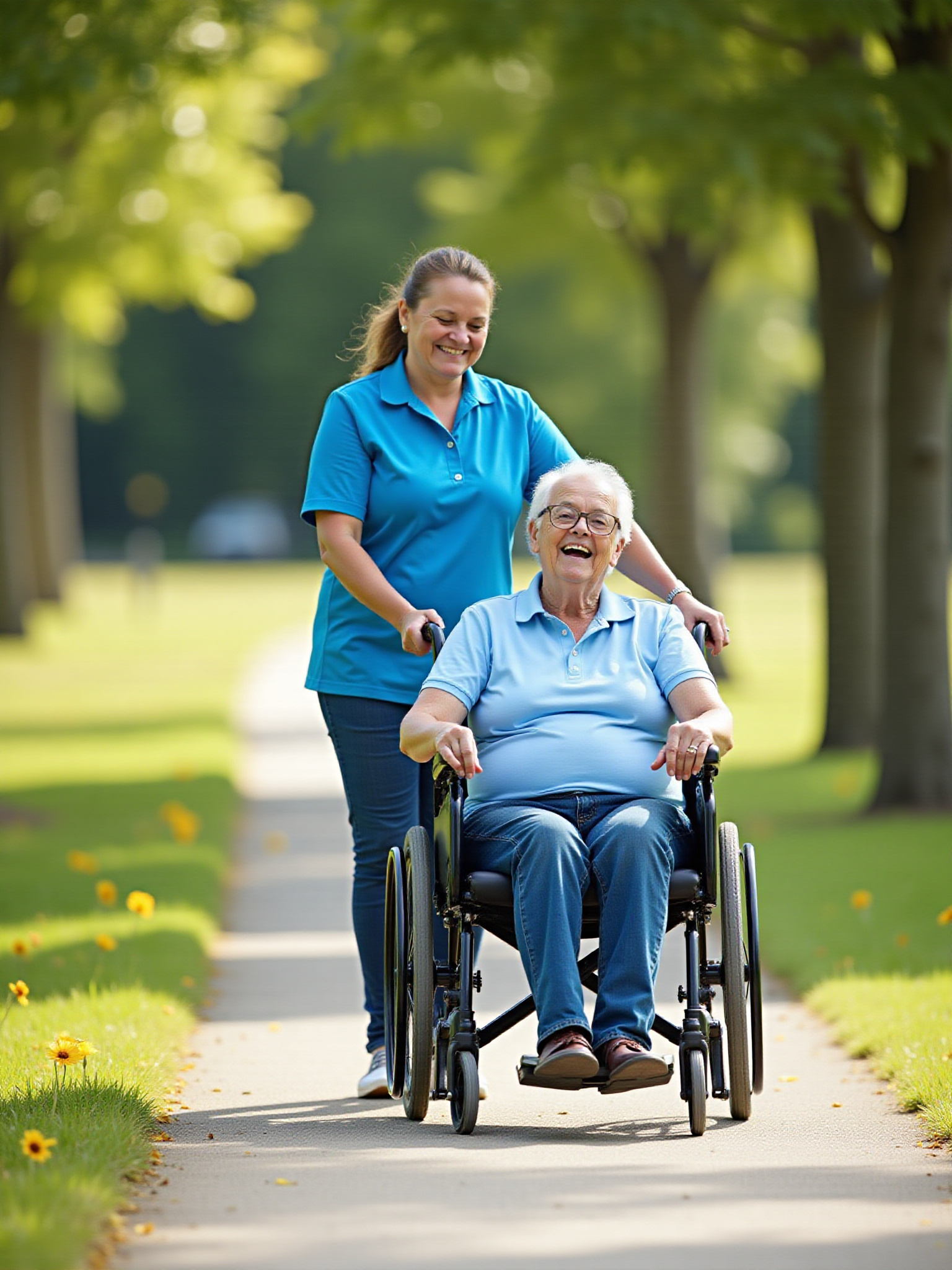
✔ Daily Personal Activities We support participants with everyday personal tasks to help them live safely, comfortably, and with dignity. Supports are tailored to individual needs and routines and can be provided hands-on or as encouragement and skill-building. Examples of support may include: • Assistance with personal hygiene such as showering, bathing, grooming, and oral care • Support with dressing, toileting, and continence care • Help with mobility, transfers, and use of equipment • Assistance with meals, eating, and drinking • Medication prompts or assistance in line with care plans • Support to establish and maintain daily routines. These supports are delivered to promote dignity, independence, health, and overall quality of life, enabling participants to safely and confidently engage in their daily routines.
✔ Community Access and Participation We support participants to get out into the community, stay connected, and take part in activities they enjoy. Supports are tailored to individual goals, interests, and abilities, helping build confidence, social connections, and everyday life skills. Examples of support may include: • Attending social, recreational, or cultural activities • Support with shopping, errands, and appointments • Going to cafes, parks, gyms, or community events • Building social skills and confidence in community settings • Using public transport or travelling safely in the community • Support to maintain routines and meaningful engagement outside the home Supports are delivered in a person-centred, respectful way, promoting inclusion, independence, and wellbeing.
✔ Life Skills & Independence We support participants to build everyday skills that increase confidence and independence at home and in the community. Supports are tailored to individual goals, abilities, and interests, and focus on practical skills for daily life. Examples of support may include: • Developing personal routines such as getting ready for the day • Cooking simple meals and learning kitchen safety • Budgeting, money handling, and shopping skills • Communication, decision-making, and problem-solving skills • Using public transport or planning outings • Building confidence, social skills, and self-advocacy Our goal is to support participants to do more for themselves over time, while providing the right level of support when needed.
✔ Household Tasks We support participants with everyday household activities to help maintain a clean, safe, and comfortable home. Supports can be provided hands-on or as skill-building, depending on individual goals and abilities. Examples of support may include: • General cleaning such as vacuuming, mopping, and wiping surfaces • Laundry, ironing, and organising clothing • Meal preparation and basic kitchen tasks • Changing bed linen and maintaining personal spaces • Assistance with shopping and putting groceries away • Support to build skills and routines for managing household tasks independently All supports are delivered in a respectful, person-centred way, with a focus on independence, safety, and wellbeing.
✔ Youth and adult complex needs We provide specialised, person-centred support for young people and adults with complex support needs. Supports are tailored to each individual’s behaviours, health, communication, sensory needs, and daily routines, with a strong focus on safety, stability, and quality of life. Examples of support may include: • One-to-one or higher-level supports for complex needs • Support with emotional regulation, communication, and sensory needs • Assistance with personal care and daily living routines • Implementation of Behaviour Support Plans • Support for participants with autism, intellectual disability, psychosocial disability, or dual diagnoses • Coordination with families, behaviour practitioners, nurses, and allied health professionals All supports are delivered by trained and experienced staff, using a consistent, respectful, and trauma-informed approach.
✔ High-Intensity Personal Care and Supports We support people with higher and more complex care needs who require extra assistance in their daily routines. This support is provided by trained and experienced staff and may include: • Complex personal care (such as continence support or specialised hygiene routines) • Assistance with mobility, transfers, or use of equipment • Support with eating and drinking, including specialised diets • Health-related routines as outlined in care or support plans • Behavioural and emotional regulation support All supports are delivered in a safe, respectful, and person-centred way, tailored to each individual’s needs and preferences.
✔ Behaviour Support Implementation We support participants to feel safe, understood, and supported by following their individual Behaviour Support Plan. Trained staff use positive, proactive strategies to reduce distress and build skills, while respecting each person’s rights and dignity. Examples of support may include: • Using positive behaviour strategies and routines outlined in the Behaviour Support Plan • Supporting emotional regulation and communication needs • Recognising triggers and responding early to prevent escalation • Implementing skill-building strategies to replace behaviours of concern • Recording observations and working closely with behaviour support practitioners and families All supports focus on improving quality of life, increasing independence, and reducing the need for restrictive practices.
✔ Nursing Support We provide professional nursing support for participants who have ongoing or complex health needs. Our qualified nurses work alongside participants, families, and support staff to ensure health needs are managed safely and consistently, in line with care plans. Examples of nursing support may include: • Medication management, administration, and health monitoring • Wound care and skin integrity checks • PEG feeding and enteral nutrition support • Catheter care and continence management • Health assessments and coordination with GPs and allied health professionals • Training and guidance for support staff on health-related routines All nursing supports are delivered in a person-centred, respectful, and clinically safe manner, supporting wellbeing and quality of life.
✔ Dementia/Alzheimer’s support We provide compassionate, person-centred support for people living with dementia or Alzheimer’s disease. Our focus is on maintaining dignity, comfort, routine, and quality of life while supporting changing needs over time. Examples of support may include: • Assistance with daily routines, personal care, and meals • Support with memory, orientation, and familiar routines • Emotional reassurance and companionship • Behavioural and emotional support related to confusion or anxiety • Medication prompts and health monitoring • Support with community outings and meaningful activities • Working closely with families, carers, and health professionals Supports are tailored to the individual’s stage of dementia and personal history, delivered with patience, respect, and consistency.
✔ Respite / STA / MTA (short notice accepted) We provide flexible short-term accommodation and respite supports that give participants a safe, supportive place to stay, while offering families and carers a break. Supports are tailored to individual needs and routines, with short-notice arrangements available where possible. Examples of support may include: • Overnight or short-term stays in a supported environment • Personal care, daily living support, and meal preparation • Community access, outings, and meaningful activities during the stay • Support with routines, behaviour support plans, and health needs • One-to-one or higher-level supports, including complex care • Planned respite or emergency/short-notice arrangements Our focus is on continuity of care, safety, and comfort, ensuring participants feel secure and supported while carers take time to rest or attend to other commitments.
Our Purpose
Our focus is person-centred care like no other – not by calling ourselves “the best”, but by truly listening and building support around each person’s life, values and goals.
We support low, moderate and high intensity needs, collaborating with nurses, allied health and support co-ordinators as required.
We take time to understand communication style, sensory needs, culture, routines, hobbies and support history. We then shape daily support, community access and internal programs, meaningful activities and relationships, in a way that aims to enrich the person’s life.
Our support workers are screened, trained and matched to each person’s personality and preferences. Each team member brings both professional skills and personal interests—music, art, sport, cooking, fishing, and more—allowing us to deliver supports that are engaging, human, and individualised.
